Showing posts with label help the island fox. Show all posts

Friday, September 14, 2018

Children Helping Island Foxes


Help for island foxes comes from many places. Recently Friends of the Island Fox received this wonderful letter from a concerned student.


Working with her school friends and family, Autumn raised $155 dollars to help island foxes. Her donation can: 
No effort to help island foxes is too small. When we all work together, we can make big things happen. 

Autumn joins our growing group of Island Fox Ambassadors - she is helping tell the island fox's story to her community and working to keep island foxes healthy and safe into the future.

Yared raised funds and then traveled all the way from Virginia to visit the island fox.

Meet some other Island Fox Ambassadors:
At the Buckley School students had a huge bake sale and one student designed and sold a T-shirt. 

You can become an Island Fox Ambassador too. Individuals, classrooms, grades, even schools and organizations have become Island Fox Ambassadors.

Island Fox Ambassadors:
  • raise awareness about the island fox
  • they work on a service project to benefit island fox conservation
  • they share their efforts with others
Service projects can raise funding, contribute to habitat restoration, or develop a conservation project to help island foxes and other wildlife (such as an effort to vaccinate local pets so they don't transmit disease to wildlife). 

Find out more about becoming an Island Fox Ambassador contact FIF at islandfoxnews@gmail.com

Friday, February 09, 2018

Make the Island Fox Your Sweetheart

This Valentine's Day
Won't you share your passion?

February through April, island fox pups will be born across the Channel Islands. Help give the 2018 pups the best chance of survival by supporting two important conservation projects.

Recycled radio-tracking collars: 
Good for foxes and the environment
Pups on San Miguel Island face serious challenges like drought and climate change. Young foxes are struggling to survive and adults are threatened by new parasites.


island fox with radio collar
You can help National Park biologists better protect the foxes by donating toward a radio-tracking collar. Radio collars help biologists respond quickly when foxes are in danger. By refurbishing previously used collars, we're also reducing costs for foxes and the environment. Each refurbished collar costs $220, a 33% savings over typical radio collar costs and keeps a used collar out of landfills.

This Valentine's Day, FIF has our hearts set on funding 15 radio collars!


Slow Down for Foxes!

Island foxes on Catalina face another serious danger: automobiles. One of the ways to alert drivers to the dangers of speeding in fox territory is through electronic signs that tell drivers they are going too fast. These signs have been shown to slow down traffic and reduce fox injuries and death.

A critical sign on Catalina needs replacing. For $3,000, we can repair the sign and put it back in service, saving more fox lives.

Two Ways to Share Your Passion
Donate Today

or by mail:
Friends of the Island Fox: 2390 C Las Posas Road, Suite #120, Camarillo CA 93010

Help create a better future for island foxes!

Friday, January 15, 2016

Support for Channel Island Fox Conservation

Carpenteria Family School Island Fox Ambassadors
The successful recovery of  Channel Island foxes from near extinction has been supported by the efforts of a broad range of people. 

When we open the mail and find a letter like this, we take heart that island foxes and the natural world have a future.


It just takes determination and action to become an Island Fox Ambassador.
Every effort helps to support healthy populations of Channel Island foxes. How will you help in 2016?

Tuesday, June 02, 2015

FIF Funds Three "Fox-Saver" Bins for Catalina Island Foxes


Once again, people working together have helped protect the endangered island fox!


The lethal combination of old trash cans, enticing human trash, and proximity to roads with car traffic has created a growing problem for island foxes on Santa Catalina Island. Double Action to Save Island Foxes

Early winter 2014, eleven Catalina island foxes were hit by cars. Most were near areas of known trash problems.

But thanks to support from a wide range of private individuals and organizations, Friends of the Island Fox has met its goal to raise $6,000 to fund three "Fox-Saver" bins on Santa Catalina Island. The three bins will be placed in high-use areas where fox fatalities have been growing.


Thank you to everyone who helped raise funds for this important project. 

These bins not only help endangered island foxes, they create a healthier environment for people and other island species.

Friday, February 06, 2015

Double Action to Save Catalina Island Foxes

Help Friends of the Island Fox reduce a major threat to the Santa Catalina Island fox (Urocyon littoralis catalinae): human trash

Yes, eating human food is bad for island foxes. Adults dependent on human food fail to teach hunting skills to their offspring. (Island fox diet) However, the greater threat is the attraction of trash and the behavior island foxes engage in to reach readily available human food waste.

The first problem is that standard trash and recycling containers pose a threat to these small foxes. This old trash can, next to a fence, allows an island fox to easily climb inside. The fox's diminutive size means it can easily fit through openings and fall into trash receptacles. 

Aging bins are an enticing hazard.

photo courtesy of Lesly Lieberman and CIC
Once inside, island foxes have a difficult time getting out of these containers. Trash can lids are designed to push open from the outside. Catalina Island biologists have documented numerous cases of island foxes dying inside trash cans.


photo courtesy of Julie King, CIC
The second issue is that accessible trash cans encourage island foxes to cross roads and enter dangerous areas. Notice the island fox under the left side of the trash can pictured here. It is pulling trash out of the rusted bottom of this can. 

Catalina Island Conservancy biologists Julie King and Calvin Duncan report: 

Between April and May 2014, four foxes were hit and killed by vehicles in close proximity to open trash cans near Bird Park in Avalon and two more were hit and killed there in November. It is unknown how many other foxes may have been hit by vehicles in the area but did not immediately succumb to their injuries, and were therefore not accounted for.

courtesy of Julie King, CIC
Car strike has become the greatest killer of island foxes on Catalina Island. The island fox pictured to the right was killed by a car, notice the trash can on the other side of the road (to the left). Clusters of unnecessary island fox deaths are occurring in areas adjacent to public spaces with numerous trash cans.
New "Fox Saver" trash bins

But there is a solution to the double threat: trash bins that island foxes can not access.

“Fox Saver” bins are the same sturdy containers used at Yellowstone and Yosemite National Parks to keep bears out of human trash. Opening the bin requires long human fingers. There is no opening for an island fox to easily enter.

Once the attraction of available human food waste is eliminated, we hope there will be less motivation for island foxes to cross roads, and maybe less attraction to venture into Avalon.

Purchasing these all-steel bins, shipping them to Santa Catalina Island, and installing them on a cement pad comes with a sizable price tag. Each bin costs $2,000. The Catalina Island Conservancy has a goal of replacing 150 trash bins across the island.

Friends of the Island Fox aims to raise $6,000 to fund three “Fox-Saver” bins to be placed in
Avalon's Bird Park area. This should actively reduce island fox deaths along one of Santa Catalina's busiest roads. Your donation will help meet this goal and save island fox lives.

The Catalina Island fox is making a strong recovery, but its current restored population combined with growing human activity  has increased direct human threats to island fox survival. 

Help us make a positive impact by funding 
"Fox Saver" bins!

Wednesday, September 11, 2013

Coastal Clean-up Day 2013 and the Island Fox


Help make a difference for local wildlife, including the Channel Island fox.

Friends of the Island Fox and the Channel Island Park Foundation invite you to join us for:


Coastal Clean-up Day 2013
at
Ventura Harbor Cove Beach
Saturday, Sept. 21
9am-12pm


Trash in our local waterways and ocean can be life threatening to wildlife. One of our friends took this photo of a female sea lion on the Channel Islands. If you look at the female laying along the bottom of the photo, you can see some kind of man-made debris wrapped around the animal’s neck and cutting into her flesh. 

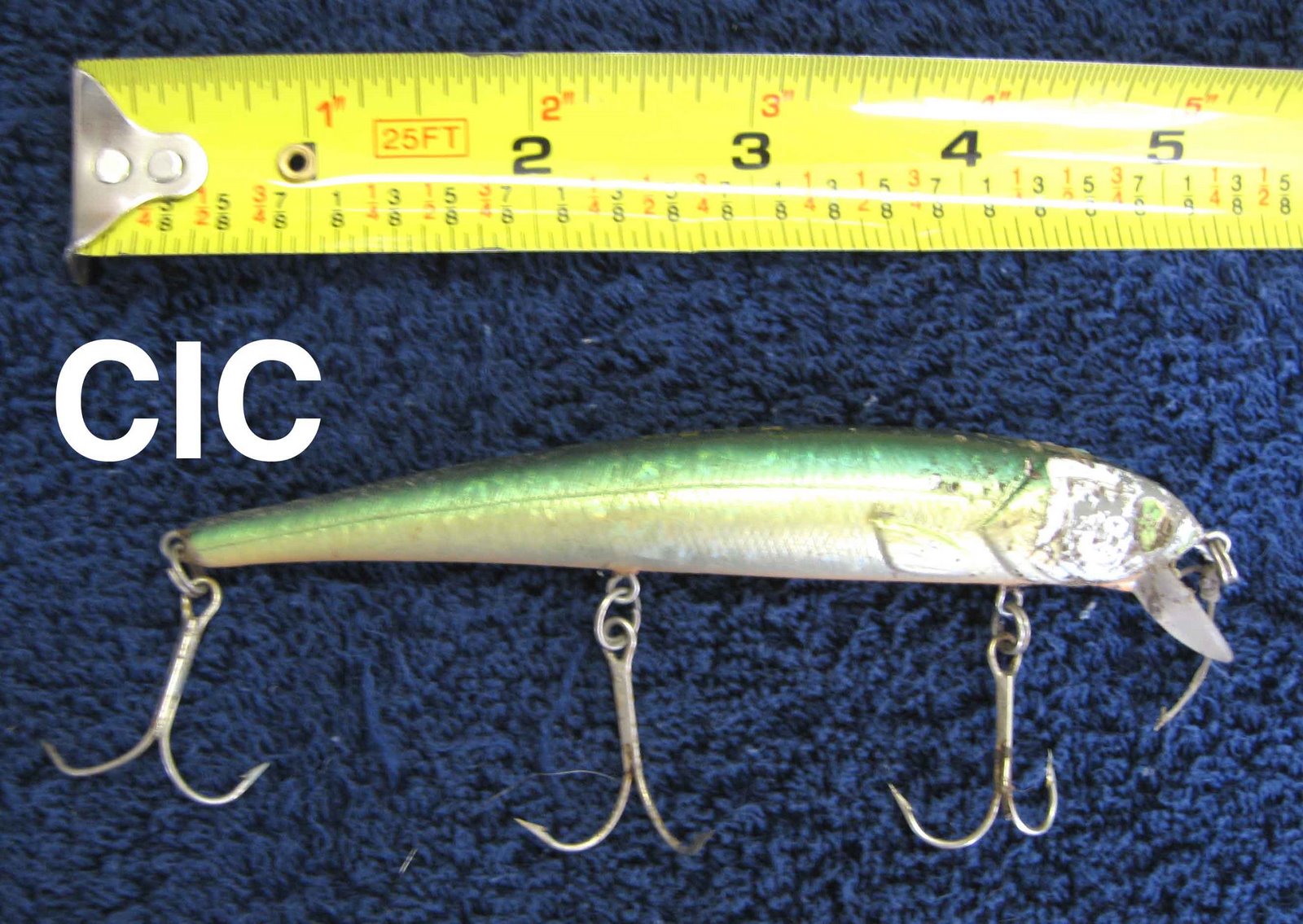
Island foxes searching for food at the water’s edge can also be injured by items that wash up on beaches. Find out about the island fox and the fishing lure

What might seem like benign trash can be dangerous to small animals. Last year a young island fox got its head caught in a small potato chip bag. In its panic to remove the bag, the island fox ended up in the surf and drown.

Some trash can even look like natural items on the beach. See items we found on the beach in June on Santa Cruz Island. 

Help Clean-up the Beach and keep wildlife and people safe.

Volunteers can register the morning of Coastal Clean-up Day at either the Channel Island National Park Visitor Center or the east end of Spinnaker Drive (Surfer’s Knoll).

If possible, please bring your own buckets and gloves.  Participants will be given data cards to record the trash they pick up. (Minors must have a parent sign a waiver for them to participate.) 

For more information see the Channel Islands Park Foundation website at http://www.ciparkfoundation.org/ 

Friday, February 15, 2013

Identifying Individual Channel Island Foxes

Adult female on Santa Catalina Island
Individual island foxes look very similar. 

Males may be slightly larger than females, but it can be very difficult to tell them apart visually.

Unless an island fox has a specific scar or injury like the fox pictured here which is missing part of both ears, it can be very difficult to accurately identify individual animals.

An individual island fox's appearance also changes over its 8 -10 year lifespan. As an island fox ages it may change in weight, the fur texture may vary, but unlike domestic dogs there is little evidence of graying in coloration.
Adult male, named Bear, in 2008

Bear in 2013 showing signs of being an elderly island fox

In order to identify individual animals, island foxes are microchipped during their first health check. The microchip is about the size of a grain of rice and is injected with a syringe under the animal's skin.  Each microchip has a specific identification number that is read by a handheld electronic reader brushed just over the fur. Like the microchips used with domestic dogs and cats, this microchip will identify an individual island fox for its entire life.

Each time an island fox is captured during annual autumn counting, its location and health status are documented and recorded with their microchip identification number.

Microchips also help biologists in the field identify individual foxes that are to be vaccinated or who have been vaccinated in the past. On Catalina Island microchips play a role in identifying individual island foxes that have been treated for the ear mites that can cause cancer and help track the progression of cancer in individual animals.

Microchips play an important role in island fox conservation because they provide a way to identify an individual island fox throughout its life. You can help identify an island fox for life by sponsoring a $10 identification microchip.

Tuesday, August 23, 2011

Island Foxes Face Off Disease

Tani represents all of the juvenile island foxes that were born this spring (A special Island fox is Born).  As summer turns to autumn these young island foxes will venture off from their parents to begin their own lives. But before they do, they just might have a close encounter of the human kind.

Across the California Channel Islands biologists are catching island foxes in capture cages to count their numbers, replace and outfit radio tracking collars, and conduct annual health checks.

For young island foxes that means a microchip that will identify them for life. It may also mean vaccinations for canine diseases - rabies and distemper. Both of these diseases have a high mortality rate, meaning that most wild island foxes would die if they encountered them. We know this is true because the Santa Catalina Island population of island foxes declined by over 88% between 1998 and 2000 when distemper was introduced to the island. (More about Catalina Island).
Pet dogs and cats that have not been vaccinated can introduce disease to wild populations. Island species like the island fox are especially vulnerable because they have not evolved with the same diseases that animals may be exposed to on the mainland. Wild animals from the mainland can also introduce disease to island populations (see Raccoon on Catalina).

The land managers across the islands hope to vaccinate at least 60-80 island foxes on each island this autumn. The minimum (60 foxes on 6 islands) would be a total of 360 island foxes with a cost of $10 per fox. Just providing minimal disease protection to this endangered species comes with a minimum cost of $3,600. 

You can help provide a young island fox heading out into the world with a better chance of survival by supporting vaccination costs. A donation of $10 will protect an island fox from rabies and distemper. 

You can also make a positive difference by reminding friends and family that vaccinating pet dogs and cats helps protect wild animals. Disease has no sympathy, it can attack an endangered species or a beloved pet. To keep both safe, pets should stay home and leave wild animals to live in their native habitats.


See more of Tani's adventures on Facebook and @ifoxtweet on Twitter.

Monday, August 15, 2011

Microchips for Island Foxes

Biologists capture island foxes annually to count them and to evaluate the health of individuals and the population as a whole. Because not every island fox is captured each year during the annual trapping, those that are caught provide a representative snapshot of the general health of each islands' fox population.


The first time that an island fox experiences an annual health check it receives a microchip so that it will be identifiable as an individual for the rest of its life. The microchip or PIT (passive integrated transponder) tag is inserted under the skin between the shoulders using needle and syringe. When a young island fox, like Tani, receives a microchip it means that the story of her life will be documented from a young age through adulthood. If she is caught again next year, biologists will be able to determine how far she has moved from her parent's territory.


Looking at the data that has been collected on the recapture of island foxes over the years, biologists see a pattern of young male island foxes traveling a great distance from the area where they were born. While female pups tend to stay in areas adjacent to their parents. The first year of an island fox's life can be perilous as they head out on their own into unknown areas.


Microchips also allow the identification of individual island foxes if something happens to them. In the past month, two young island foxes have been hit by cars along roads on Catalina Island. Watch for Foxes.


Radio tracking collars help to monitor the movements and health of island foxes, but not every island fox will receive a $250 radio collar. Every island fox that is captured for the first time during annual counting and health checks does receive an identification microchip. You can help support an island fox Health Check for just $25.


As island foxes continue their successful recovery from near extinction, monitoring their populations takes on greater importance. Through your donation to Friends of the Island Fox you can help support the recovery of the endangered island fox.

Thursday, November 04, 2010

Raccoons Don't Belong on Channel Islands


When is a cute raccoon a serious threat? When it is mistakenly transported to the Channel Islands.

The masked face of a raccoon makes us sigh and their antics can make us laugh, but raccoons pose a serious threat to native wildlife on the Channel Islands. Raccoons are not native to our California islands. Species like the island fox, spotted skunk and island birds have all evolved without raccoons and without the diseases and parasites that raccoons can carry.

Recent research has pointed to a raccoon as the origin of the distemper virus that nearly wiped out the island fox population on Santa Catalina Island between 1998-2000. Raccoons carry many diseases, like rabies, parvo and distemper, that are fatal to canines. The introduction of a single disease-infected raccoon could have drastic consequences for endangered island foxes and other unique island species. Support vaccinations.

How does a raccoon get all the way from Los Angeles or Santa Barbara to the Channel Islands?
In the past few years, raccoon populations have grown in harbor areas. This means that occasionally they wander onto private boats. Unsuspecting boat owners may have a stowaway raccoon that they unknowingly transport to the islands. While this scenario may seem unbelievable, it has happened on Catalina Island several times in the last two years. Because Catalina is fairly populated and Avalon is the primary port of entry, the Catalina Island Conservancy has been alerted to the arrival of  these raccoons. Usually the animal is caught within a short window of time, but one raccoon traveled to the interior of the island in just three days.

A raccoon accidentally introduced to Channel Islands National Park might go undetected for sometime, potentially coming in contact with numerous island animals.

Friends of the Island Fox urges all boat owners traveling to any of the Channel Islands to make sure there are no stowaway animals on your boat before leaving the harbor. Pass this information on to friends and family that may be boaters along the southern California coast.

Download the following Raccoon Awareness Flyer from the Catalina Island Conservancy and PASS IT ON. 

Public awareness can make the difference between survival and extinction for the endangered Channel Island fox.

Tuesday, November 10, 2009

How Can You Help the Island Fox?


You don’t have to be on the Channel Islands to help the island fox and all of the wild creatures that live here in Southern California.

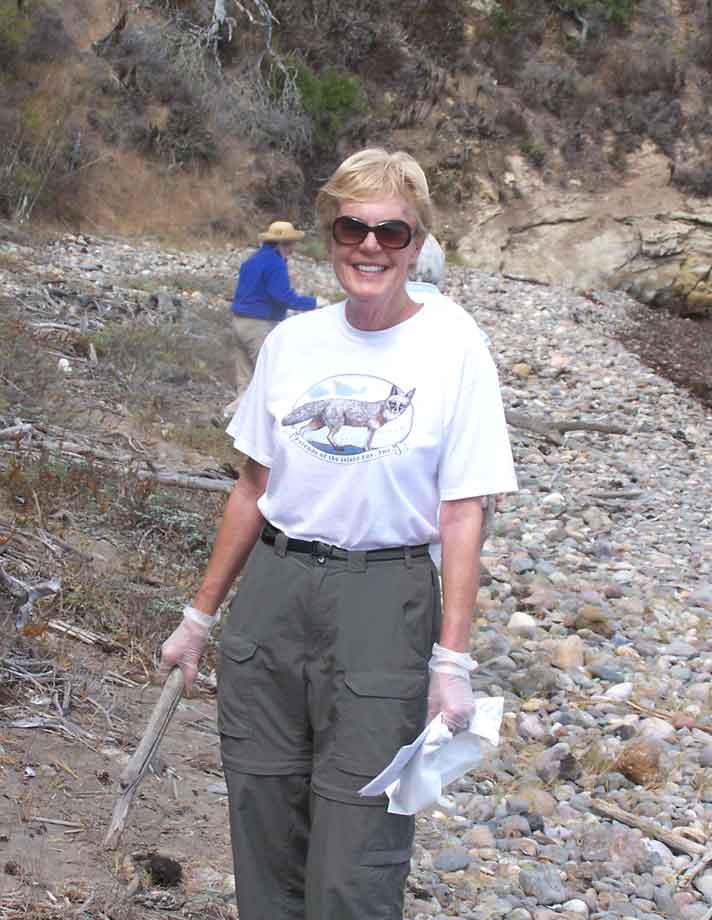
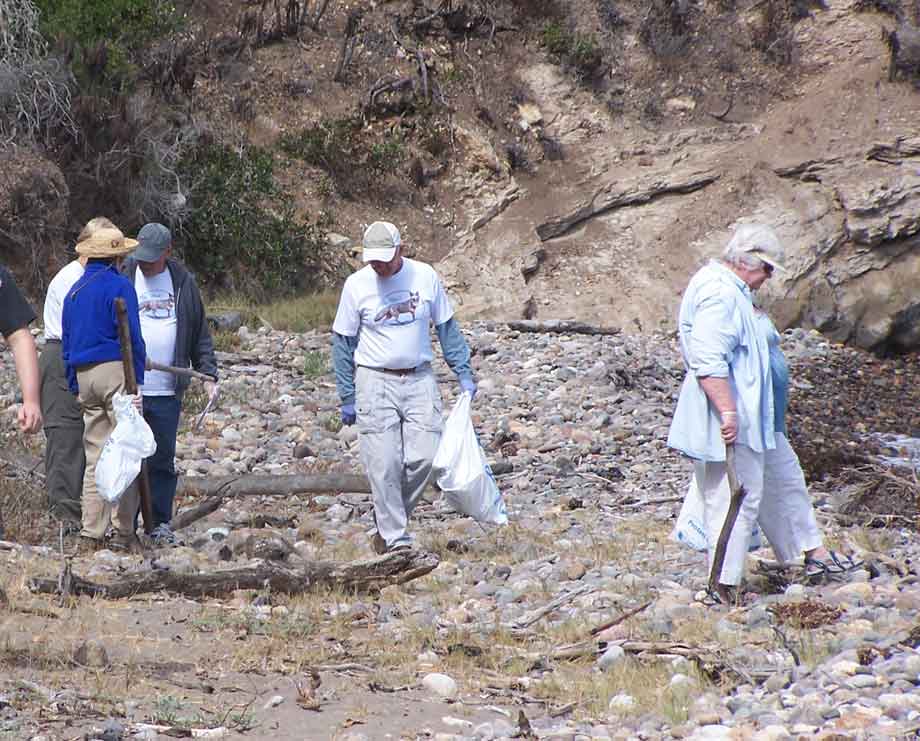
In September, volunteers from Friends of the Island Fox joined volunteers from the Channel Island Park Foundation to clean up trash on Santa Cruz Island. Through our joint efforts we picked up over 400 lbs. of debris that had washed up on the island or had been left behind by human activities.


Pieces of metal and glass pose a threat to the feet of wild animals. Fishing lures and cast off human items can be dangerous to island foxes. (See The Island Fox and The Fishing Hook)

Plastics that travel down gutters and storm drains to the sea are eaten by a wide range of animals. When these bits of plastic enter the food chain, they threaten not only animals, but humans as well. So the next time you see a piece of trash in the gutter or on the ground, don’t just walk on by. Stop and pick it up. Your simple act could save a young sea bird, a sea turtle or even an island fox.

Our thanks to the Island Fox Friends that participated in this year’s clean-up: Bob Colli, Keri Dearborn, Betty Dunbar, Michael Lawshé, Jerry Leach, Gerri Martin, Pat Meyer and Mary Renaker.

A special thank you to Carol Pillsbury of the Channel Island Park Foundation and Russell Galipeau of Channel Islands National Park for including FIF in this important event.

For MORE ways to HELP THE ISLAND FOX.

Friday, July 24, 2009

Island Foxes by Any Other Name

photo courtesy Kevin Schafer

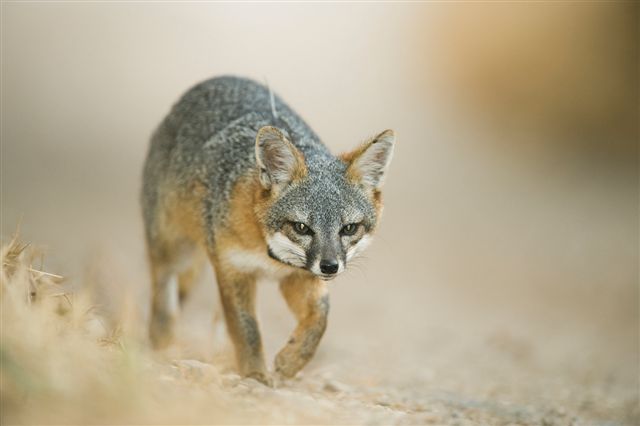
Island foxes (Urocyon littoralis) are unique to the Channel Islands off the coast of southern California. But as we travel to different schools and communities we have run across a variety of names for foxes.

Foxes are the most diverse group of canines with various species found all over the world. There are arctic foxes that turn white in winter to blend in with the arctic snow. There are kit foxes and fennec foxes, adapted for deserts in North America and Africa, respectively. The red fox is found world wide (some populations being natural and others introduced by people).

Because various kinds of foxes are found all over the world, a word for fox appears in many languages. Here are a few that students have provided:

  • zorro - Spanish
  • daeb - Arabic
  • Yu woo - Korean
  • renard - French
  • fuchs - German
  • volpe - Italian

Foxes belong to the subfamily of animals called canines which includes wolves, dingos, African wild dogs, jackals, coyotes and domestic dogs. Canines originally evolved in North America. Many of the canines that we know today, however, are members of the family that migrated from North America to other parts of the world millions of years ago. Even the gray wolf is from a line of canines that migrated to Asia and then returned to North America.

The coyote (Canis latrans) and the gray fox (Urocyon cinereoargenteus), the ancestor of the island fox, never left North America. They are ancient species that lived side-by-side with saber-toothed cats and mammoths.

Island foxes have lived on the Channel Islands for at least 6,000 years. Friends of the Island Foxes urges you to explore our website and learn more about the island fox. The island fox only lives in one place in the world, on the California Channel Islands and each island has a different subspecies. To continue to survive into the future, the island fox needs your help.

A $10 donation will vaccinate an island fox against the threat of introduced disease: distemper and rabies.

To Donate CLICK on the Pay Pal or Network for Good button in the upper right corner.

Wednesday, May 13, 2009

The Island Fox Goes to School


March through May is a busy time for island foxes, biologists, and Friends of the Island Fox.

Spring brings fox pups that need to be fed by their parents and counted by biologists in the field. It also is the time for Earth Day events.

For the second year, Friends of the Island Fox participated in the Rio Vista Elementary School Environmental Awareness and Career Day. FIF educators introduced fourth grade students to the island fox, a local endangered species. Students participated in a hands-on activity replicating an island fox health check. They became field biologists weighing, evaluating and recording health data. (More on island fox health checks)

Education can be exciting and fun. Check out Rio Vista Elementary's exciting event on Santa Clarita Valley TV

http://www.scvtv.com/html/scvnews-current.html

The first step in saving an endangered species is educating the local community. Education can come in a variety of approaches, activities and interactions. Friends of the Island Fox is devoted to educating the public, young and old, in creative and relevant ways. The more you know about the island fox, the better neighbor you can be to this endangered species.

To contact Friends of the Island Fox about classroom or community programs:
(805) 386-0386

admin@islandfox.org or islandfoxnews@gmail.com

Monday, February 09, 2009

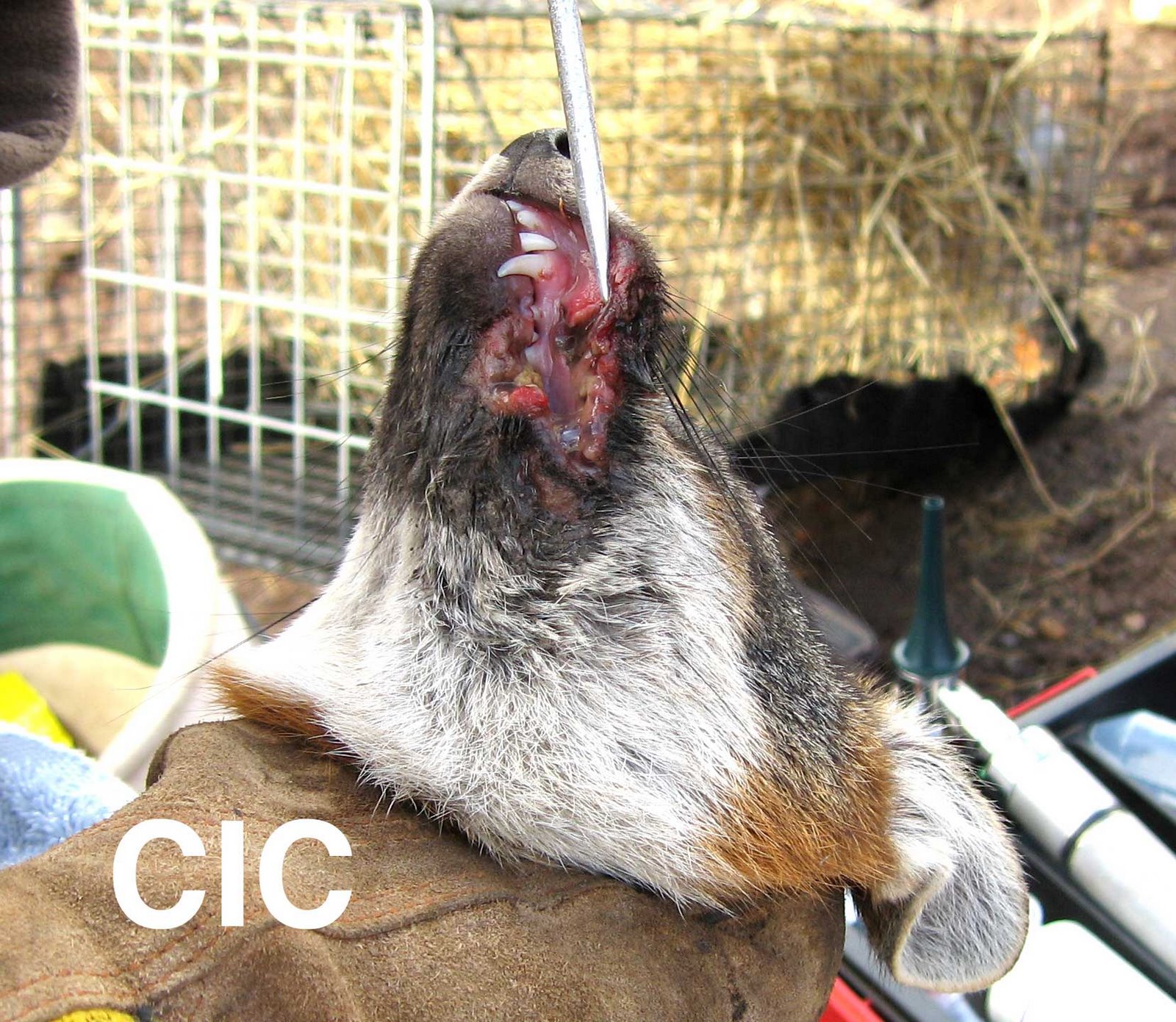
The Island Fox and the Fishing Hook

Because island foxes live on the Channel Islands and not on the mainland, some people wonder how their actions can do anything to help the island fox. But the island fox is our neighbor and our actions affect the fox directly and indirectly.

For example, someone fishing on or around Santa Catalina Island cut loose or lost a fishing line with a lure. The large lure found its way on shore. Perhaps it smelled of fish, because it attracted a curious and hungry island fox. While the angler had no intention of hurting an island fox, the abandoned lure did not discriminate. The hook lodged in the male fox’s upper and lower lip. He became unable to eat or drink, resulting in malnourishment and dehydration.

Fortunately, the injured fox was caught and taken into the Catalina Island Conservancy clinic on November 27, 2008. The lure was removed and the island fox’s face was stitched up. He was treated with antibiotics and nutritional supplements. By December 8th, he had recovered and was able to be released back into the wild on Santa Catalina Island. Other island foxes treated by the Catalina Island Conservancy.

Abandoned fishing hooks, line and nets can cause unintentional injury to sea life, birds and mammals like the island fox. You can make a big difference for a wide variety of animals by discarding used fishing line and hooks into the trash. If you find abandoned fishing equipment carefully gather it and dispose of it appropriately, but be careful of hooks! Abandoned fishing hooks are dangerous for everyone.

Wednesday, June 04, 2008

CSI: Island Fox

What happens when an island fox is found dead?

A Critter Scene Investigation


Just like your favorite crime drama on TV, it takes a team of scientists to understand what has happened when an endangered island fox is found dead.

Determining the cause of death for an animal that has died is a critical component of island fox recovery. Radio collars worn by all released and wild-born foxes provide a unique signal when an animal is motionless for 12 hours. (more about radio collars)

When this signal is detected, field personnel locate the collar and collect the carcass if in fact the animal is deceased. Island fox carcasses are sent to Dr. Linda Munson at the University of California, Davis School of Veterinary Medicine, where she and her staff perform necropsies (autopsies) to determine precisely what killed each animal.

Information from necropsies helped determine the direct association between the island foxes decline and predation by golden eagles on the Northern Channel Islands and disease on Santa Catalina Island.

Helping the island fox comes in a variety of forms. Necropsies continue to provide critical information on disease, health, and continuing predation issues. Each island fox necropsy requires several hours of veterinarian time and follow-up laboratory analysis, and costs approximately $250. Because this program is not otherwise funded, there is a growing need for help in funding this vital part of island fox conservation.

You can help a real CSI, a Critter Scene Investigation. Your donations to Friends of the Island Fox can help to fund important scientific work and island fox necropsies.

To donate through Pay Pal, click on the Pay Pal button at the upper right corner of the page.