Showing posts with label island fox video. Show all posts

Tuesday, January 20, 2026

3 Kinds of Radio Tracking Collars to Monitor Island Foxes

Look who received a GPS tracking collar that you helped fund!


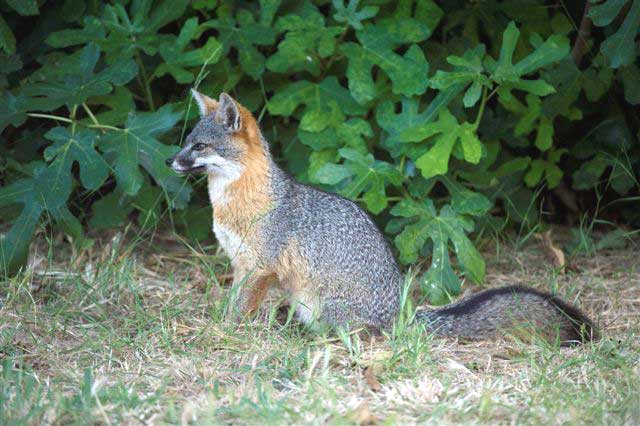
This young female island fox lives at the tip top of Santa Rosa Island in Channel Islands National Park. The GPS collar she's wearing was refurbished with donations to Friends of the Island Fox. The movements of this fox, documented by her collar, will help tell the story of her life: Where and how large is her territory? What resources can she access? Combined with dietary info, it will reveal how she is interacting with the island ecosystem.


VHF Collars - The Original 

As island fox populations recovered from near extinction on four islands, individuals released back into the wild were collared with VHF radio-tracking collars to monitor their survival. (video of Senior Biologist for Channel Islands Park tells the story of island fox collapse of 1998–2000VHF collars provide the location of an individual island fox at a specific moment. Biologists in the field are able to use hand-held antennae to triangulate the island fox's location. If a radio-collared island fox stops moving for 6–8 hours, the collar has a sensor that changes the signal from a "live-animal" beep to a possible "mortality" beep. This allows the quick retrieval of island fox bodies so the cause of death can be determined and steps can be taken to protect the island's entire island fox population.

In 2026, FIF's goal is to raise funds to refurbish 15 VHF radio collars for San Miguel Island. Cost to refurbish a VHF collar: $220  


GPS Collars - More Info/Bigger Price 

Initially, GPS tracking collars were too large for female island foxes to wear. Today, modern GPS and battery technology provides for a smaller collar with less weight that can be worn by both male and female island foxes. GPS vs VHF collars

GPS collars document an individual island fox's location several times a day for months to a year. This data can now be downloaded remotely to allow researchers to track movement patterns, territory size, and overlap with other collared individuals without having much of an impact on wild island fox behavior. These collars include VHF capabilities and sometimes have additional abilities, like accelerometers that document movement patterns over 24 hours. 

A new GPS collar for an island fox can cost $2400. GPS collars used in prior research projects for island foxes and San Joaquin kit foxes can be refurbished at a much reduced cost.

In 2026, FIF's goal is to raise funds to refurbish 12 GPS tracking collars for Santa Rosa Island. Cost to refurbish a GPS collar: $500

Island fox with new Digipeater collar in 2025

Digipeater Collars - New Technology and New Strategy

Digipeater collars include VHF capabilities, but they interact with a series of antennae stations. An island fox within signal view of the antennae is automatically check-in and reported as alive and well. Digipeater collars don't record precise movement like GPS collars, but they monitor island fox survival while reducing staffing hours in the field. More on digipeater collars and system

Sustainable monitoring of island fox survival requires reducing costs. FIF is assisting with the transition to monitoring island foxes on Santa Cruz Island with the Digipeater system.

FIF has already raised funds for 15 new Digipeater collars in 2026. Now our goal is to raise funds for 3 additional antennae stations ($2000 each)


No matter the type of tracking collar, protecting island foxes requires monitoring! Tracking collars provide the best opportunity to monitor island foxes while they live their wild lives. 

Friday, September 16, 2022

Do You Remember This Fox? It's F257


Even with her face covered, F257 from Santa Rosa Island is a stunning island fox. Her coat is lustrous, her weight is good, she looks healthy. The mask/muzzle helps keep her calm during her health check.


You might remember F257 from 2021, 2020, and 2019

She received her first health check when she was a pup in July of 2019. In the winter of 2019, she was fitted with her first radio tracking collar.

F257 continues to live in the Old Ranch area on Santa Rosa Island. This is the same area where she was born and first seen.


In August, National Park biologists were happy to see F257 during island-wide counting of island foxes. Biologist Juliann Schamel says "[F257] has been captured every summer on the [Old Ranch] grid, and has never shown signs of having reproduced, although she is in good condition/health. She's still quite young and most foxes on Rosa did not reproduce in 2020 or 2021, so this isn't surprising." 

Low rainfall frequently correlates with fewer resources and female foxes tend to have fewer pups or no pups. Santa Rosa Island may also have reached maximum population size. F257 may not be able to find a mate or adequate territory to support having pups. Being single, may also be a choice. She looks great.


You can see from her data sheet that F257s health check and the replacement of her radio-collar took only 12 minutes.

After two and a half years, F257's radio collar needed a new battery. Her collar was replaced and the old collar will be refurbished so it can be used again. In the video below, you'll see F257 be released after her health check.


Did you notice F257 looked back at the biologist multiple times. Maybe she recognizes the biologist, too. 

With her radio-tracking collar F257 is helping to monitor island fox survival on Santa Rosa Island. 

Your donations to Friends of the Island Fox fund radio-tracking collars and important research across the Channel Islands.

Friday, August 27, 2021

Radio Collars Going On Island Foxes!

photo courtesy of S. Baker, NPS

Meet M181! This young male island fox on Santa Rosa Island was fitted with a radio collar funded by YOU.

Channel Island National Park biologists have been fitting radio collars on individual foxes, conducting health checks, and counting island foxes throughout August.


These new and refurbished radio collars will provide information on island fox location and survival for the next 2–3 years.

Each radio collar has a signal at a specific individual frequency that is picked up by a radio receiver. The fox does not hear the collar's signal. 

Biologists can only hear the signal if they have a receiver tuned to the correct frequency and are within a specific proximity to the fox.

Radio collars are small and light weight so they do not bother the island fox. Each radio collar is fitted with a "two-finger fit" so that it is not too tight, yet not so loose that it might get caught on something.

Watch and Listen to the video below

WATCH as M181 is released back into the wild after his check-up and radio collar fitting.

LISTEN for the beeps from the receiver as the biologist checks the functioning of the radio collar.


Island Foxes on San Miguel Island will be getting their radio collars next.

Catalina Island foxes will be getting their radio collars and vaccinations soon. 

You can still help fund a refurbished radio collar $220 

for Catalina Island. 

Donate Today 


Friday, June 25, 2021

Visiting Island Foxes This Summer


The Channel Islands are open for visitors. Here are a few things to remember when visiting island foxes.

Keep your food safe! 

Island foxes evolved with humans. They know how to read your actions and they know where you put food. 

They are smart. 

Zippers, snaps, plastic latches, and Velcro are not fox proof. If food is not within your reach, it should be locked up in metal fox-proof lockers provided in campgrounds and visitor areas. 

Do you see the island fox that the man in the photo is not paying attention too? 

It unzipped the backpack and took a sandwich.

Watch this video taken this week:


Your food and its packaging are dangerous to island foxes. A young fox who eats a food wrapper might end up with intestinal blockage and die. Potato chip bags get stuck on small heads and have caused island fox fatalities. Use fox-safe trash bins on Catalina Island and remember to pack out all trash from Channel Island National Park and The Nature Conservancy islands.


Be a Fox Friend! 

Island foxes are small animals with big personalities. Be aware when island foxes are near:

  • watch
  • appreciate 
  • give them space
  • photograph

Fox Friends do not chase or try to touch island foxes. They stand still and let island foxes walk past them

Island foxes are wild animals who don't mind sharing spaces with humans. Let's help keep them that way. 

On islands with vehicles: Be aware of island foxes crossing roads. In 2020, the greatest single cause of island fox death was being hit by a car. 

Visit island foxes and enjoy sharing the Channel Islands with a charismatic wild animal. 

Island foxes evolved with Native peoples in a relationship of mutual respect. Let's protect the island fox, its island home, and its special relationship with people. 

Friday, July 06, 2018

Island Fox Success Story - Pup and Mother Reunited

island fox pup
Island fox recovery is a success story, but sometimes it is nice to focus on individual successes.

This May an island fox pup, only a few days old, was separated from its parents. It was so young, its eyes were still closed. When the pup was found on a dirt road on Catalina Island, it was weak and hungry. Biologists with the Catalina Island Conservancy rallied to the pup's aid. Veterinary care was provided and after two weeks, the pup was healthy enough to be returned. But the clock was ticking on a possible reunion and acceptance from its fox family.

Returning to the area where the pup was found, biologist Lara Brenner and Emily Hamblen captured adult island foxes, including a female who showed signs of lactating. After observing interactions between the pup and the female, the pup was allowed to approach the female and it immediately began nursing. Mom and pup were reunited. The mother fox was radio-collared so that the biologists could locate the family and check in to see how the pup was doing. But getting everyone safely returned to the wild was a challenge. Watch the heart-warming story of mother and pup.


Three cheers for a brave island fox pup, a devoted mother fox, and the determined Catalina biologists who facilitated a successful reunion.

Friends of the Island Fox supports the CIC Fox Program with radio collars, fox health measures and "Fox-safer" trash cans. With your help, FIF replaced the electronic elements of traffic speed sign on Catalina in 2018 to help slow down drivers on a section of road dangerous to island foxes.

Working together to make island foxes and people safer on the Channel Islands.

Tuesday, July 17, 2012

An Island Fox with a Will to Live


male island fox after recovery from leg amputation
FIF strives to connect the scientists in the field with the local community that cares about Channel Island foxes. We are thrilled to offer this:
Report from the Field
 
By Calvin Duncan, Island Fox Biologist, Catalina Island Conservancy
No matter how many times it happens, it is always amazing to see the resilience of animals and their ability to bounce back from serious injury. While conducting the annual Island-wide fox trapping survey and vaccination efforts last fall, Conservancy biologists captured a five-year-old male fox suffering from a compound fracture (broken bones exposed through skin) on his rear right leg.


The injury occurred several weeks prior to his capture and we suspect that another dominant male fox in the area was likely to blame. “Island foxes are extremely territorial” reports Julie King, the Conservancy’s senior wildlife biologist. “Injuries sustained by fighting males can often be permanently debilitating or even fatal.”
In most cases the proper approach is to let nature, as cruel as it may often be, take its course, but the Conservancy is still actively working to recover the Catalina Island fox population from its near extinction in 1999. For that reason, we actively treat injuries detected in the field and work to improve the health and survival of each fox captured during the annual survey. Approximately 80% of the fox population on Catalina Island is also vaccinated against both canine distemper virus (CDV) and rabies as a means of protecting the population against another potential disease introduction.
In this particular case, the injured fox was immediately transported to the Animal Clinic in Catalina for assessment and potential treatment. In addition to the obvious leg injury the fox was also extremely thin due to its inability to effectively forage for several weeks. Conservancy biologists consulted with Avalon veterinarian Dr. Richard Denney and agreed upon an approach that would require the amputation of the injured leg.
According to Julie King there have been several wild foxes on Catalina and the other Channel Islands that have sustained injuries where the amputation of a leg was necessary and the foxes were released and survived.
“At the conclusion of the captive breeding program in 2004, an adult female was released with only three legs” says Julie King, “while monitoring her post-release, she was found to have traveled several miles before settling into a territory and successfully raising pups.”
Biologist Calvin Duncan with recovering fox
Though the bone fracture on the male island fox occurred within the tarsal bones or “ankle joint,” the leg was amputated mid- femur and the remaining nub was tucked under the skin. According to Dr. Denney this was necessary in order to eliminate the chance that the fox would attempt to walk on the remaining limb leading to abrasions and potential infection.
After the surgery the fox was transported to the Conservancy’s Middle Ranch Wildlife Field Clinic where he was cared for by Conservancy biologists during his twenty-day recovery.
On October 4, 2011 he was fitted with a radio collar and successfully released at his original capture location. We continue to monitor this fox as he makes his adjustment back into the wild and to date he is doing well.
This is another example of how radio collars are used to help monitor individual island foxes.

Video of an island fox barking taken by Calvin Duncan

Tuesday, October 25, 2011

Island Foxes Say Thank You

Across the Channel Islands endangered island foxes are successfully making a come back from the brink of extinction. You and your friends and neighbors are helping to make a positive difference. Friends of the Island Fox extends our thanks to the following special friends that have made extra efforts on behalf of endangered island foxes.


This summer Native Foods Cafe raised funds for the island fox during a day of business. Their event raised $500 for island fox conservation.


In May, Island Fox Program Director Pat Meyer and Keri Dearborn, Education Director, were interviewed on Cynthia Fox's Sunday morning show "Spotlight on the Community" on KLOS Radio. Listen to the Interview. Cynthia Fox continued her support by sponsoring a fox radio-tracking collar.


This summer private donors supported another radio-tracking collar to bring our total number of collars funded to 72!


Because of your support and concern this local endangered species is recovering. Your involvement on behalf of the island fox is allowing images like the one below to be natural once again. Watch as an island fox ventures into a bald eagle nest at night looking for tidbits of food that the bald eagle chick has dropped. This is a brave little island fox, notice the bald eagle chick (bigger than the island fox) sleeping in the lower right corner. 


Island foxes across the Channel Islands thank all of you who care and are taking action to support health checks and vaccinations, radio collars and education to make a positive difference on their behalf.

Monday, August 16, 2010

An Island Fox Meets A Bald Eagle

The Institute for Wildlife Studies' EagleCams watch the bald eagle nests on Santa Cruz and Santa Catalina Islands off the coast of California. Not only do they document eagles nesting and rearing their young, sometimes they also get a candid shot of how animals on the islands interact.

This short video from Santa Cruz shows a bald eagle chick almost ready to fly (large and dark brown in the center). Notice its wing numbers placed by biologists tracking its growth and life. But the video also shows an unexpected visitor to the nest. Watch closely in the lower right hand corner and you will see an island fox climb up into the eagle nest.


Island foxes and bald eagles have interconnected lives. Bald Eagle and the Island Fox.

Because bald eagles on the Channel Islands find most of their food in the ocean or along the shore, pollution in the marine ecosystem can have a negative effect on their survival.

Your actions can have an important direct effect on the survival of the endangered island fox. When you visit any of the six Channel Islands where island foxes live there are specific steps you can take to Keep Island Foxes Safe.

Even if you can't make the journey to the Channel Islands, you can help in beach clean up to keep the marine ecosystem safe for bald eagles and to pick up debris that can be life threatening to island foxes (Island Fox and the Fishing Hook).

Join Friends of the Island Fox as we pitch in with the Channel Island Park Foundation to clean-up local beaches as part of the 26th Annual California Coastal Cleanup Day on September 25. Volunteers will meet at the Channel Island National Park Visitor Center at 9 AM. For More Information.


Tuesday, September 15, 2009

Images of Island Foxes


Photos of endangered island foxes are few and far between. This island fox in profile from Santa Cruz Island is courtesy of photographer Kevin Schafer.

Video of island foxes is even harder to come by. The following links will take you to video of and about Channel island foxes.


ARKive.org is an international library of images capturing the natural world. This remarkable resource links to Friends of the Island Fox and we are returning the compliment.

ARKive.org island fox page
http://www.arkive.org/island-fox/urocyon-littoralis/

Their video includes night vision of an island fox going into a sea gull colony and taking an egg.

Channel Islands National Park also has a slide show of island fox photos including pups.

CINP Island Fox page
http://www.nps.gov/chis/naturescience/island-fox.htm

Saturday, February 23, 2008

The Island Fox has Friends


If you have seen the Island Fox San Miguel Island 2006 Release video, you have heard the original music of David Lynch.

David’s guitar solos add heart and bounce to the video. One of the themes used in the video has currently climbed to #8 of 2,480 on the Neil Young website for original music. You can help David climb even higher in the ranking by placing your vote for the song "Mahatma"at: neilyoung.com

Complete versions of
David Lynch’s music can be found on his CD “Dozen” available through his website.
David Lynch

The video was also edited by island fox friend Michael Lawshe. Michael is nominated for a Golden Reel Award this Saturday, February 23 for his work as Sound Supervisor on Smallville. Check out his blog at Soundzgood.info

CLICK the picture to watch the video.


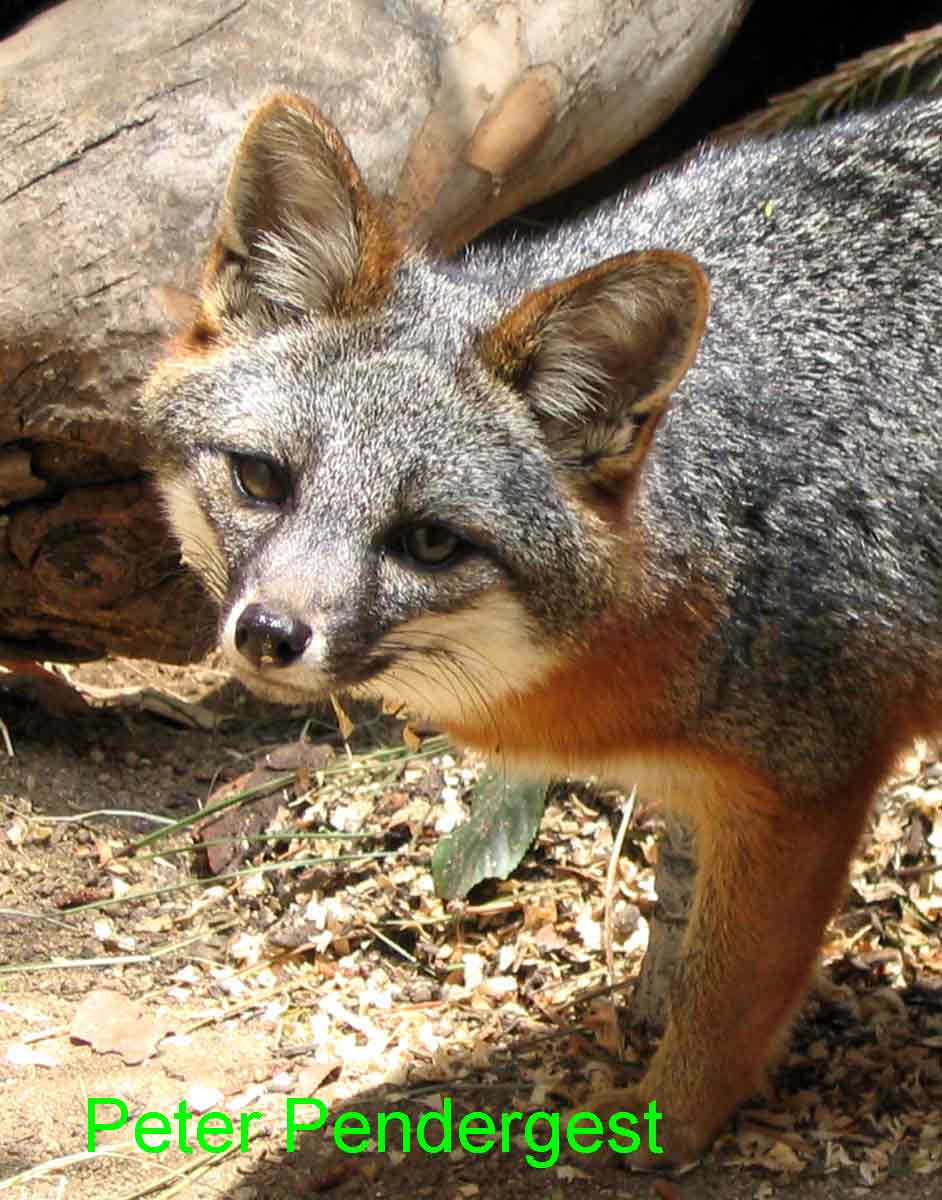
The photo at the top, was taken by Peter Pendergest.

Without help from friends like David, Michael and Peter we wouldn’t have a video of the island foxes to show the public or photos to post on our website. Friends of the Island Fox thanks them for their support of island fox conservation and appreciates their efforts to get involved in helping to save the island fox.