Monday, February 09, 2009

The Island Fox and the Fishing Hook

Because island foxes live on the Channel Islands and not on the mainland, some people wonder how their actions can do anything to help the island fox. But the island fox is our neighbor and our actions affect the fox directly and indirectly.

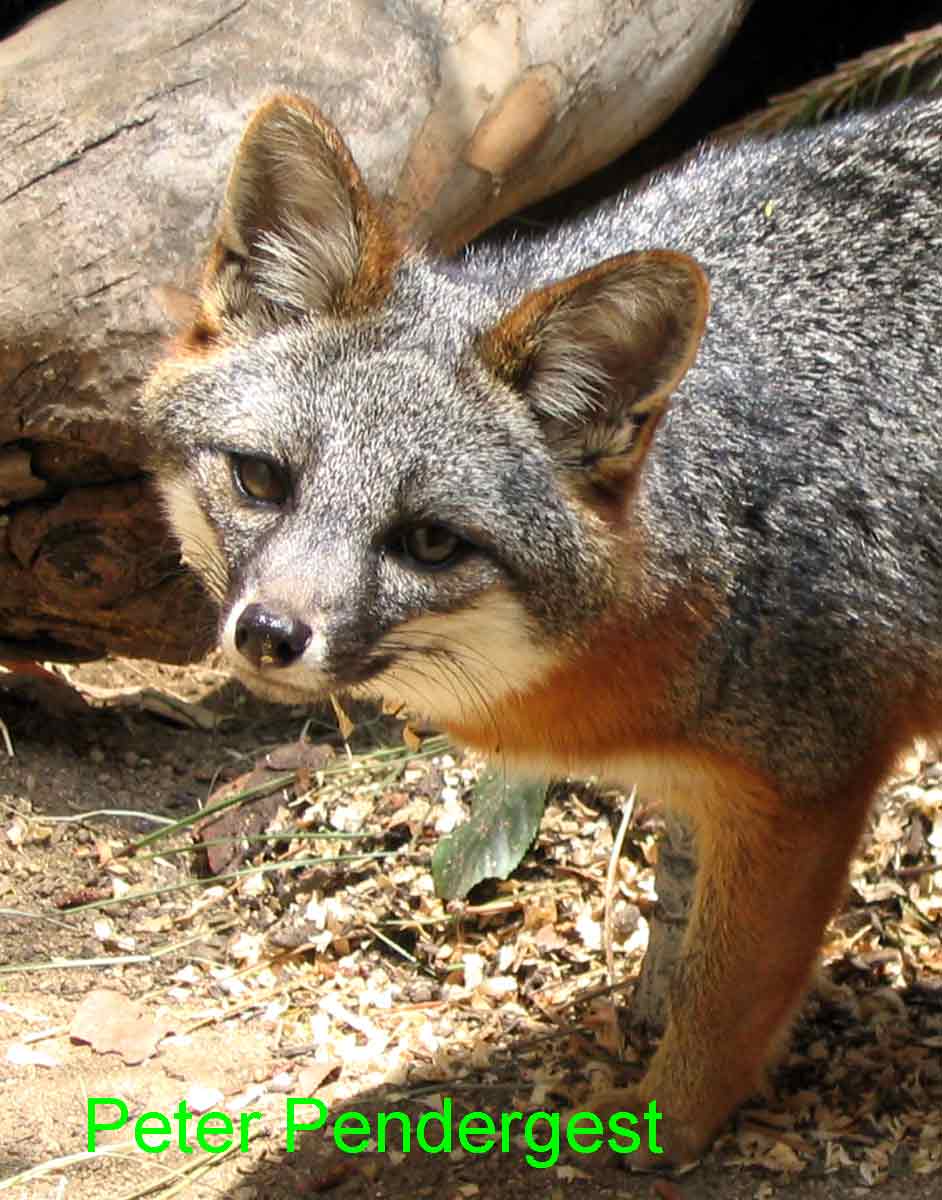
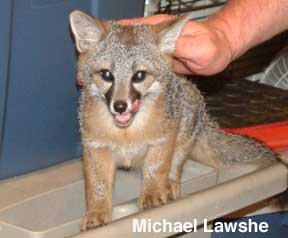
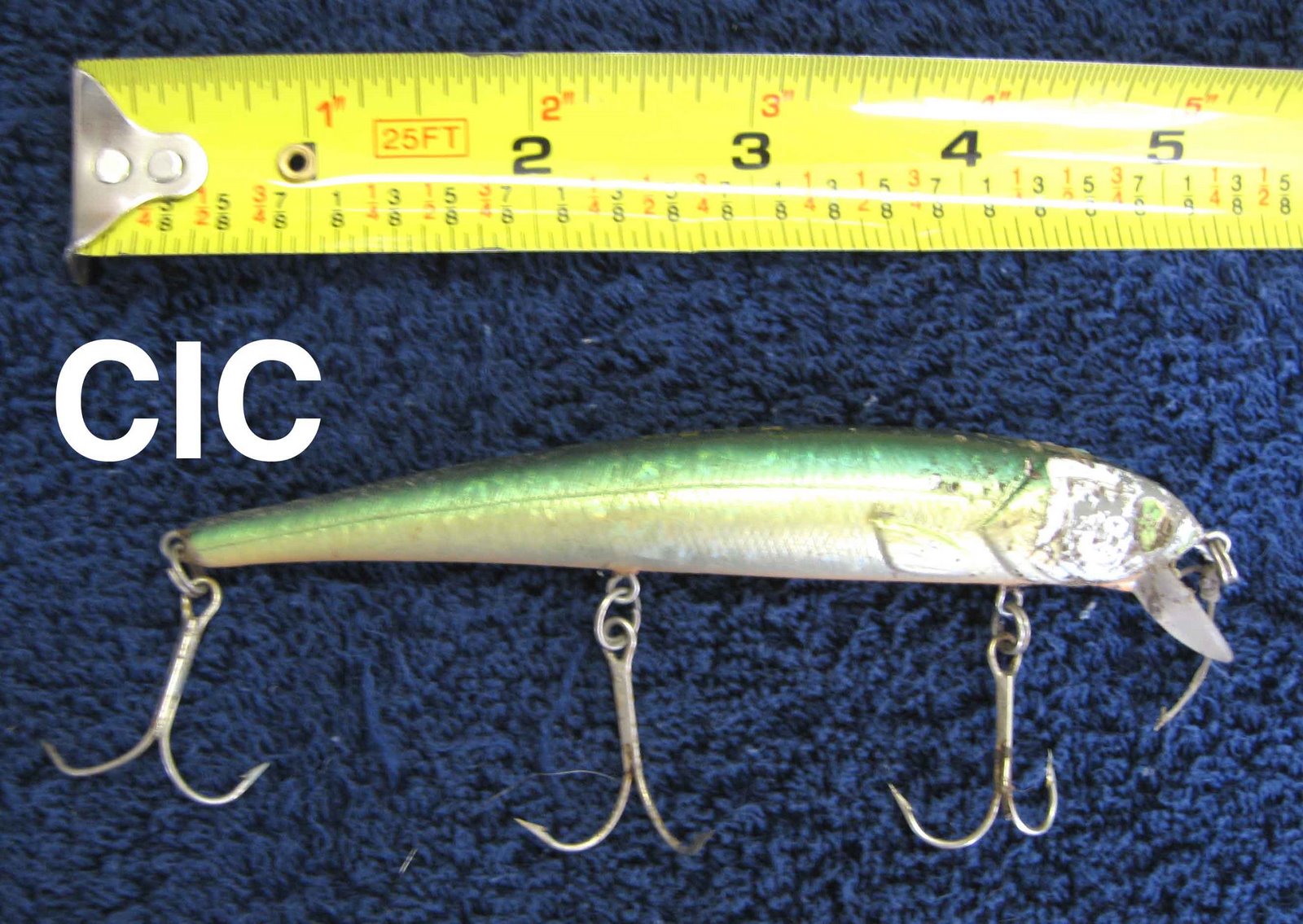
For example, someone fishing on or around Santa Catalina Island cut loose or lost a fishing line with a lure. The large lure found its way on shore. Perhaps it smelled of fish, because it attracted a curious and hungry island fox. While the angler had no intention of hurting an island fox, the abandoned lure did not discriminate. The hook lodged in the male fox’s upper and lower lip. He became unable to eat or drink, resulting in malnourishment and dehydration.
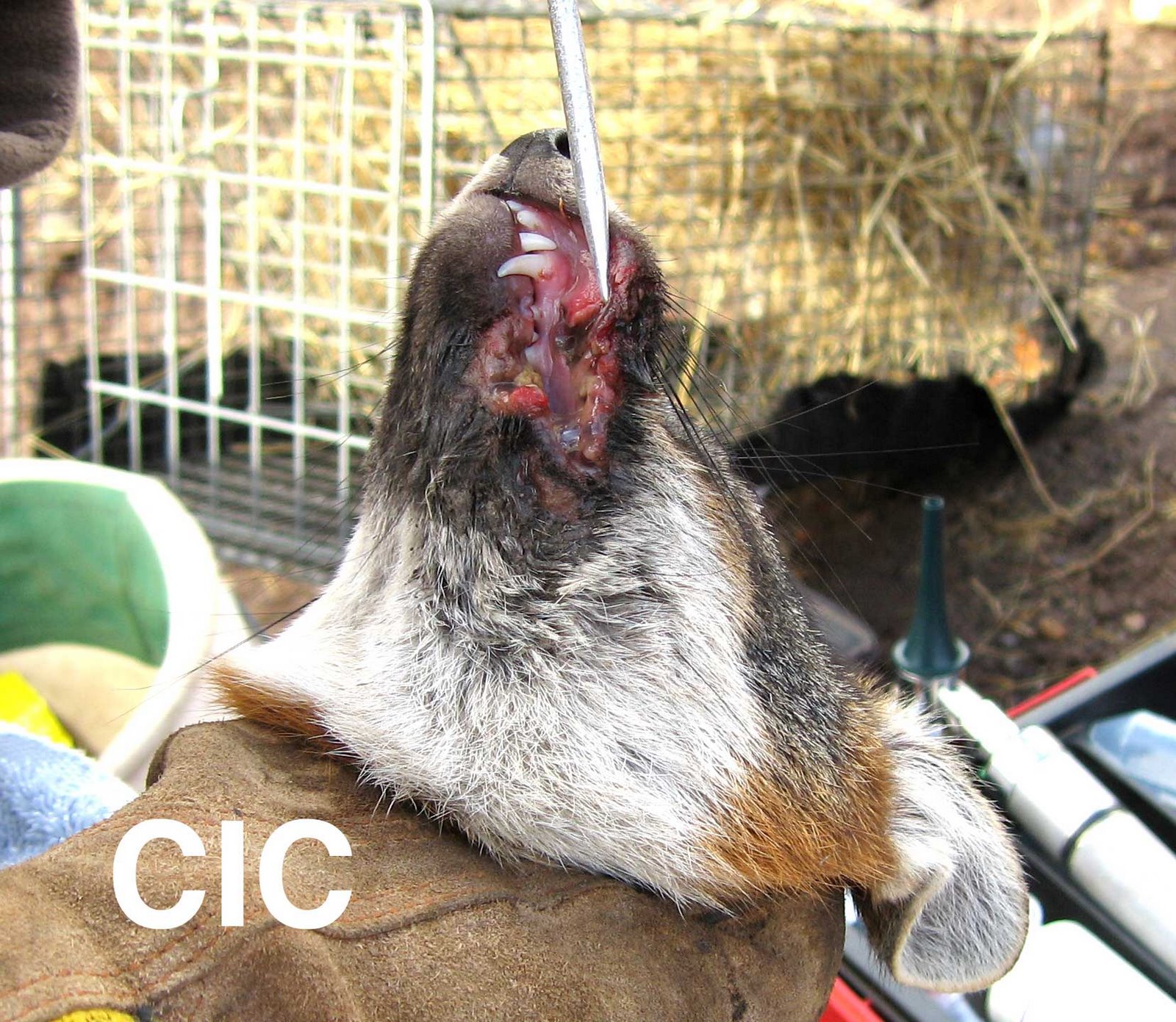
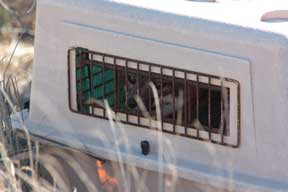
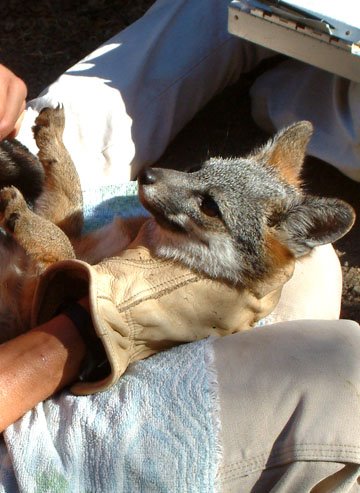
Fortunately, the injured fox was caught and taken into the Catalina Island Conservancy clinic on November 27, 2008. The lure was removed and the island fox’s face was stitched up. He was treated with antibiotics and nutritional supplements. By December 8th, he had recovered and was able to be released back into the wild on Santa Catalina Island. Other island foxes treated by the Catalina Island Conservancy.

Abandoned fishing hooks, line and nets can cause unintentional injury to sea life, birds and mammals like the island fox. You can make a big difference for a wide variety of animals by discarding used fishing line and hooks into the trash. If you find abandoned fishing equipment carefully gather it and dispose of it appropriately, but be careful of hooks! Abandoned fishing hooks are dangerous for everyone.

Friday, January 30, 2009

33rd Radio Collar Funded


As the good news of higher island fox populations is coming in from across the California Channel Islands, the crisis of extinction seems to be past. The challenge of the future comes in monitoring recovering populations.

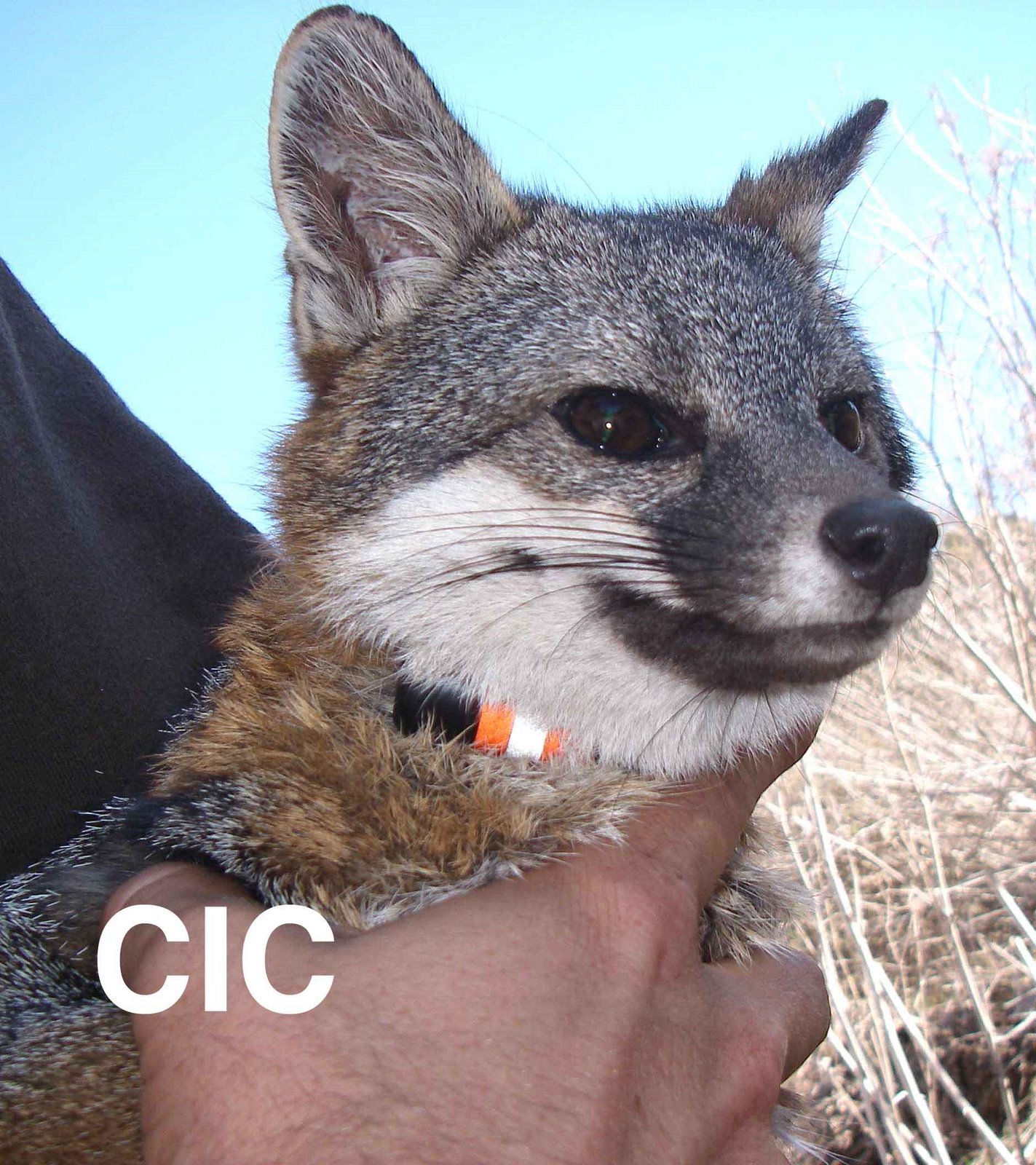
To that end, Friends of the Island Fox is proud to announce the funding of our 33rd radio tracking collar. This collar will go on a fox on Santa Catalina Island and be monitored by the biologists with the Catalina Island Conservancy.

Radio tracking collars have proved to be the best way to monitor large segments of the island fox population. Whether biologists are on the ground tracking the “beep” with a hand-held antenna, flying over in a small plane, or reading data from an automated system, the radio collar on the individual island fox provides valuable information.

  • Locating individuals: Each collared island fox has its own radio frequency. In the case of an emergency, like the Catalina Fire, surviving individual foxes can be located quickly by airplane fly over. The status of a large amount of the population can be determined in a short amount of time. If a collared fox is seen with an injury, biologists can locate the individual via its radio collar and specifically set trap cages to catch that one fox. This makes medical care more efficient.

  • Health care in the field: Biologists can track a recovering island fox, like the little female that was burned in the 2007 Catalina Fire. Burnie Boots. Being able to watch from a distance allows the patient to return to a wild lifestyle.

  • Behavior: Radio collars provide information on island fox movement across the islands. We are learning that male offspring travel further from their parents territory than females. The territory of individual foxes can be closer approximated, allowing foxes that are being released a better chance of being released into unclaimed territory. Release Video

  • Mortality signals: If an island fox is completely still for six hours, the radio collar will give off a special “mortality” beep. This allows biologists to locate an island fox that has died. Necropsy, or study of the dead body, can quickly determine cause of death. Island Fox CSI. If an island fox has been killed by a golden eagle, died of disease, or gotten trapped in a man-made facility, actions can be rapidly taken to safeguard the rest of the island fox population on that island.

Each collared island fox is an important link in a vital monitoring network.

Each radio collar costs $250.

Your donations have helped to fund 33 radio tracking collars. Thank you for helping to make a positive difference.

Wednesday, January 21, 2009

Good News for Island Foxes

The numbers are gradually coming in from the biologists on the six Channel Islands that are home to the island fox. On the four islands where island foxes are endangered, San Miguel, Santa Rosa, Santa Cruz, and Santa Catalina, the populations continue to increase.

Each autumn, island foxes are counted by trapping them in specially designed containment traps. This allows biologists to determine the number of island foxes on each island, check their health, give them vaccinations for distemper and rabies, and fit radio tracking collars.


For more on Health Checks on Catalina Foxes.

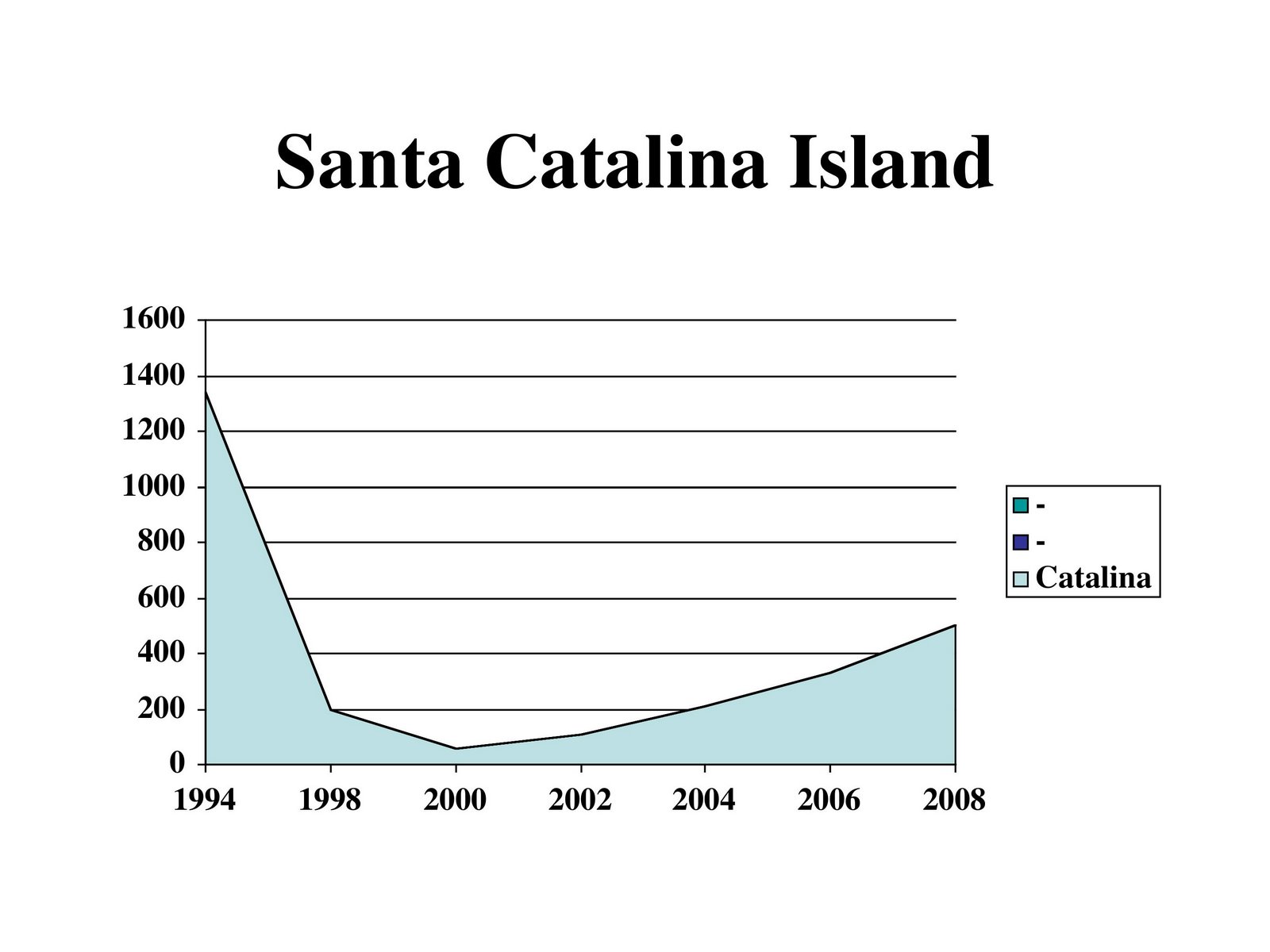
Last year the number of island foxes
physically counted on Santa Catalina Island was 365. This year over 500 have been individually counted!

Endangered island fox populations are recovering successfully on all four islands, but we still have a long way to go to reach the population numbers before disease struck Santa Catalina Island and ecosystem imbalance resulted in golden eagles hunting island foxes on the northern islands. Why are island foxes endangered?

Island fox recovery has been possible because of broad reaching conservation efforts on their behalf.

You can help !

Donations To Friends of the Island Fox Help:
  • purchase radio collars to monitor wild island foxes. Learn More
  • supply vaccinations against disease transmitted from domestic dogs and species transported onto the islands. Learn More
  • fund necropsies to study the cause of death in island foxes. Learn More
  • support education programs to teach school children and community groups about this local endangered species and the Channel Island Ecosystem. Learn More
You can Donate by clicking on the PayPal or Network for Good buttons at the top right corner.

Stay Linked In. As soon as the final population numbers are available, we will post them here on the Friends of the Island Fox website.

For detailed information on each island fox population as well as research summaries, video and podcasts - Click on the Library button in the directory bar.

Friday, December 05, 2008

Island Fox on NBC Nightly News

The success of the conservation efforts to save the Channel Island fox made the NBC Nightly News on Monday, December 1, 2008 !

How wonderful to see the faces of our friends at Channel Islands National Park talking about the island fox’s rapid progress toward recovery. National Park Service fox biologist, Tim Coonan is a familiar face on the Friends of the Island Fox website.

SEE Tim Coonan releasing island fox M-67 back into the wild.

LISTEN to an interview with Tim Coonan.

Friends of the Island Fox is proud to have worked with Tim and the dedicated people at Channel Islands National Park. Donations to Friends of the Island Fox have supported this successful conservation effort by funding radio tracking collars and den boxes at the captive breeding facility on Santa Rosa Island.

Yes, island fox populations are increasing, but when the NBC reporter said there are 650 island foxes, he was referring to across the three northern islands, San Miguel, Santa Rosa and Santa Cruz. Prior to the decline in the late 1990s, there were over 1,500 island foxes estimated on Santa Rosa Island alone.

The two populations on San Miguel and Santa Rosa, which crashed down to just 15 individuals on each island, are still highly vulnerable. The current estimates are just over 100 island foxes on each of these two islands.

The island fox on San Miguel, Santa Rosa, Santa Cruz and Santa Catalina Island is STILL an endangered species.

Monitoring these populations with radio tracking collars is vital to maintaining the continued success of their recovery. Each radio collar costs $250. Funding is still needed to put radio tracking collars on island foxes.

Canine diseases, distemper and rabies, continue to pose a serious threat to these small isolated populations. Annual health checks and vaccinations against these diseases still need to be funded.

You can help to insure that the island fox continues its historical recovery by donating to Friends of the Island Fox and supporting these continuing important conservation efforts.


WATCH the NBC Nightly News report on the island fox.

http://www.msnbc.msn.com/id/3032619/vp/28004734#28004734


ADDITIONAL NBC reports on the island fox:

http://www.msnbc.msn.com/id/3032619/#28000777

http://www.msnbc.msn.com/id/3032619/#28003636

For More Information on the Channel Island fox. Current Island Fox Information.

About the Channel Islands:

San Miguel Island VIDEO
Santa Rosa Island
Santa Cruz Island
San Nicolas Island
Santa Catalina Island

All six islands with island foxes

Saturday, November 29, 2008

Island Fox Origins and the Truth Behind Eagle Diets

Are you looking for information on the origin of island foxes; how they evolved and their biology? Perhaps you’ve heard people question whether golden eagles were actually preying on island foxes. Answer your questions with information from the primary sources.

Friends of the Island Fox is honored to make
information available from top researchers and biologists working with the island fox and the Channel Island ecosystem.


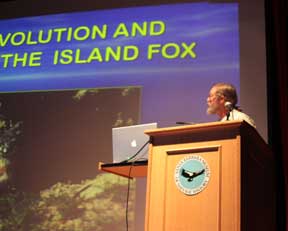
Paul W. Collins, Curator of Vertebrate Zoology at the Santa Barbara Museum of Natural History recently gave two presentations from his accumulated research at an Island Fox Workshop sponsored by the Santa Barbara Museum, Ty Warner Sea Center, Santa Barbara Zoo and Friends of the Island Fox. Both of these presentations are now available through links from the Friends of the Island Fox Educational Research Library.

  • Origin, Evolution and Biology of the Island Fox - looks at genetic, morphological, and archeological data regarding island fox origins and the basics of island fox biology, size, behavior, reproduction and diet

  • Diet of Bald and Golden Eagles on the Channel Islands - looks at the role eagles played in the decline of island foxes on the Northern Channel Islands and compares the diet of bald and golden eagles on the islands by examining prey remains in nests.

These two slideshow presentations can be found in the Educational Research Library

Under: “Island Fox Fact Sheets & Current Research

Under: “Links to Research Sources

Friends of the Island Fox is endeavoring to create the Internet’s most current library of information regarding island foxes. If you are a researcher or biologist and would like us to link to or host your published work relating to the island fox or the Channel Island ecosystem, please contact the Friends of the Island Fox Webmaster at islandfoxnews@gmail.com

Wednesday, November 12, 2008

Island Foxes Back in the Wild

Friday November 7, the remaining able-bodied male island fox in captivity at the captive breeding facility on Santa Rosa Island was released into the wild. This happy day marks an important milestone in the recovery of this endangered species.

You can WATCH a moment of history as 6-year-old, M-67 steps out of his transport carrier and into the island scrub of Santa Rosa Island in Channel Islands National Park. LOOK for M-67's radio telemetry collar. The tracking collar was funded by donations to Friends of the Island Fox and will help keep track of this tiny fox as he makes his way in the wild.


Friday, November 07, 2008

Milestone for Endangered Channel Island Fox


The door of the travel kennel opened and M- 67 leapt out. But rather than dash off across the lupine studded hillside, he hesitated and looked around. He seemed to know it was a moment to be savored.

When island fox populations on the northern islands plummeted to the edge of extinction in 1999, Channel Islands National Park and the Nature Conservancy established captive breeding facilities on San Miguel, Santa Rosa and Santa Cruz Islands “as insurance against the loss of foxes from golden eagle predation.” But as the Channel Island National Park stated in their press release regarding the historic events of November 2008 - “With fox recovery on the rise, the one remaining captive breeding facility on Santa Rosa Island will close. Captive breeding is responsible for saving the island fox from the brink of extinction on Santa Cruz, San Miguel, and Santa Rosa Islands.”

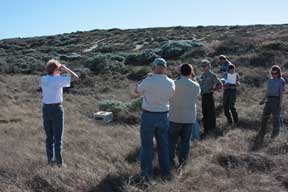
In the past few weeks, 31 island foxes from the Santa Rosa Island breeding facility have been returned to the wild. Today–November 7, 2008–as Pat Meyer and Friends of the Island Fox, Inc. board members and members of the press looked on, National Park Service biologist Tim Coonan opened the door to freedom for M67. The little 6 year-old male fox was born in the captive breeding facility and over the years had been paired with several females. Now, he sat gazing at the wide open expanse around him.

Eight years ago when the Santa Rosa island fox population teetered on the edge of extinction with just 15 remaining individuals, Tim Coonan would have never believed this day could come so quickly. On this perfect autumn day, his words to M67 were prophetic, “Go on, you can do it.”

After a quick look over his shoulder, the little island fox bounded off through the low bushes. As he disappeared over a small hill, we heard the hardy beep, beep, beep of the signal from his radio tracking collar. This historic little fox has returned to the wild wearing a radio collar funded by donations to Friends of the Island Fox.


On this momentous day, Friends of the Island Fox proudly presented funds to Channel Islands National Park for two additional fox radio collars. To date, with your support, Friends of the Island Fox has helped put radio tracking collars on 22 island foxes on the northern islands and 10 island foxes on Santa Catalina Island. Radio tracking collars are vital to monitoring the continued success of one of America’s rarest mammals.

For more on the historic return of island foxes to the wild:

Coverage by Lance Orozco from KCLU NPR Radio News in Ventura. Link to KCLU Radio

Article by Chuck Graham in the Ventura County Reporter, 11/13/08

NBC Nightly News during the week of 11/10-14/08


We will be posting video and a podcast of M67’s release in the next week.

Tuesday, October 07, 2008

Island Fox Information

Friends of the Island Fox announces the launch of our
Educational Resources Library

O
ur goal is to bring the expertise of researchers, land managers and biologists in the field, to the general public. We want you to have access to the most current information available about the island fox and the Channel Island ecosystem.

By clicking on the "Library" button in the navigation bar at the top of the page, you will go directly to our library of resources both written and visual.

Our new list of publications includes:
  • an Island Fox Fact Sheet (written by Catherine Schwemm PhD, co-author of an upcoming book on the island fox)
  • Island Fox Update 2008 (the most current information island-by-island)
  • Summaries of recent research findings on island fox behavior, relationships with eagles, island fox health, management, and the island fox and the Channel Island ecosystem
Dive into the new Library and discover the important news from the scientists:

  • The San Miguel Island fox is making the most successful recovery recorded in a canine species
  • Eagles leave evidence in their nests that proves what they are eating
  • The Santa Catalina Island fox is facing serious health threats
Click on "Library" in the navigation bar at the top of the site.

Friends of the Island Fox is devoted to providing educational resources about the island fox and the Channel Islands ecosystem to the public. Your donations help support this effort and island fox conservation.

To donate click on the Pay Pal button in the upper right panel.

Sunday, September 28, 2008

Fox Festival at Santa Barbara Zoo


The Santa Barbara Zoo Island Fox Festival

Sunday, October 5, 2008
11:00 AM - 3:00 PM

The Santa Barbara Zoo and Roots 'n Shoots are sponsoring the Island Fox Festival this weekend. It is a great opportunity to learn about the various conservation efforts of Roots 'n Shoots youth groups and to meet a Channel Island fox.

Even though the island fox enclosure is closed for remodeling,
Finnigan, an island fox born at the Zoo last year, will be making appearances at presentations during the day. MORE on Finnigan.

Friends of the Island Fox
will be participating in the festivities during the day. Come by and visit us.

This is a wonderful family event with music, crafts and activities.

For more about the Santa Barbara Zoo and Directions

More about Roots 'n Shoots.

Tuesday, September 16, 2008

Ask About the Island Fox

Friends of the Island Fox offers FREE programs about the endangered island fox and the Channel Island ecosystem to school children from 3rd grade through college. Depending on participant age and group size, programs include interactive program, video of an island fox release, radio-collar tracking demonstration and hands-on materials.


To schedule a classroom visit or speaker, contact us at islandfoxnews@gmail.com

As we all go Back to School, here are a few questions we have received from students.

1. How long do island foxes live?


Island foxes typically live eight to ten years in the wild. While they are not considered to be adults until age two, in some cases they do form mate pairs and have their first family before they are a year old. When wild foxes are examined by biologists, the wear and condition of the island fox’s teeth help the biologist determine the animal’s age.


2. Can an island fox hurt a person?


The island fox is a very small member of the dog family. Their average weight is only 5 pounds and they stand just over a foot tall. They do have sharp, pointed teeth for eating insects and hunting mice and birds, but an island fox is more likely to run from people than to threaten them. An island fox will try to protect its home territory from other foxes. Some foxes have scars from territory struggles with other foxes. Island foxes sometimes bark at intruders. See the Video of a barking island fox.


3. Can an island fox handle the snow in the winter?


It rarely snows on the California Channel Islands in the winter. The ocean that surrounds the islands helps to keep the weather mild. However, it can be cold, foggy and very windy on the Channel Islands at times. Being small helps the island fox stay out of the wind and their fur is short and thick to help keep them warm. In the fog, this island fox pup's gray coat helps it blend in against the dry summer plants and the island rocks.

Do you have a question about the California Channel Island fox?

Send your questions to islandfoxnews@gmail.com